Kyoto Unveiled: The Art of Quiet Solitude in Ancient Sanctuaries
Navigating the former imperial capital with patience, uncovering the stillness beneath centuries of spiritual dedication.
The morning mist settles like raw silk over the foothills of northern Higashiyama. Long before tour groups gather at the gilded pavilions of Kinkaku-ji, the gravel paths of lesser-known sub-temples lie untouched, raked into delicate wave patterns representing cosmic eternity.
The Philosophy of Sukiya Architecture
Stepping inside a classical wooden machiya, one is immediately enveloped by the scent of aged tatami and cedar beams. Japanese architecture has never sought to conquer nature; rather, it creates an unhurried threshold between the interior self and the garden outside. Shoji screens diffuse harsh sunlight into a serene, ambient glow, allowing the mind to detach from modern hurry.
"True stillness is not merely the absence of sound, but the deep awareness of the rain falling gently against slate roof tiles."
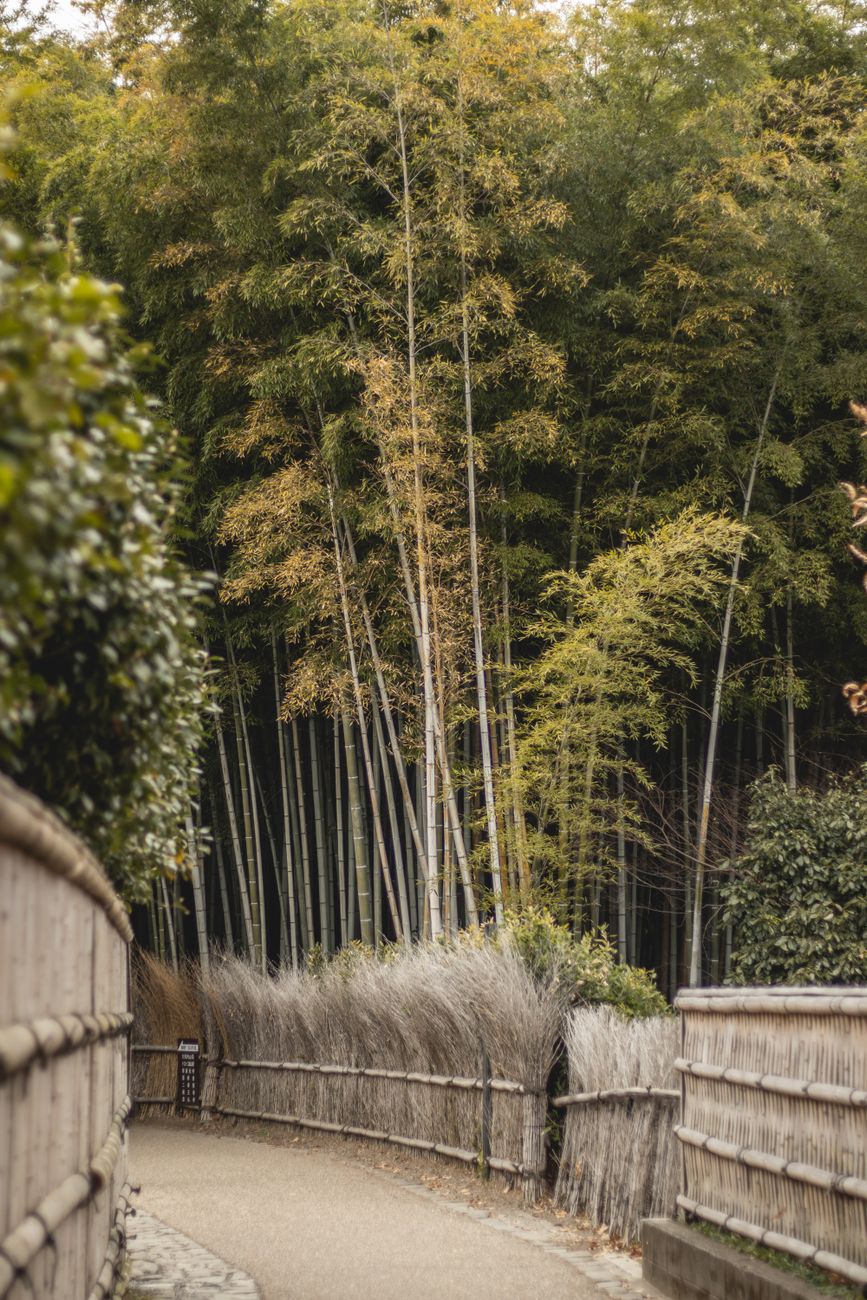
Dawn Walk in the Bamboo Groves
While Arashiyama's central walkway is celebrated worldwide, our journey took us toward the secluded mountain paths of Otagi Nenbutsu-ji. Here, over a thousand moss-draped stone figures sit with varied whimsical expressions. In this damp alpine sanctuary, one discovers the authentic pulse of Kyoto—unfettered, patient, and deeply rooted in humble veneration.
We conclude our day at an unpretentious teahouse where an elderly master whisks vibrant green matcha in a raku bowl shaped by three generations of family potters. The ritual asks for no applause; it simply asks for your complete, silent presence.
Seek Your Own Solitary Path
Connect with our editorial consultants to craft a bespoke journey through the hidden sanctums of Kyoto.
Inquire About Kyoto Itinerary